
TL;DR
- The right retail distributor for an ecommerce business communicates clearly, adapts quickly to changes in order size and product offerings, and has a proven track record of reliability with other retailers.
- Distributors that specialize in your product type and already sell to your target market can get your products to market faster than generalists with no relevant experience.
- Price matters, but a distributor with rock-bottom pricing may be cutting corners on transportation, reliability, or salaries, so weigh cost against the quality of service you receive.
- Strong distributors integrate with your ecommerce platform and ERP through APIs, sync inventory in real time, and handle the EDI documents big box retailers like Walmart and Target require.
Finding a distributor for your ecommerce business can feel like a daunting task. If you’re just starting your business or you’ve decided it’s time to expand and take your business to the next level, you’ve already got a million things to think about. But, you really need to set time aside and think about finding the right distributor for your business.
Before you sign on with a distributor, here are some things you should expect from them that will ensure a partnership that will be mutually beneficial, low stress, and profitable for you both into the foreseeable future.
They Communicate
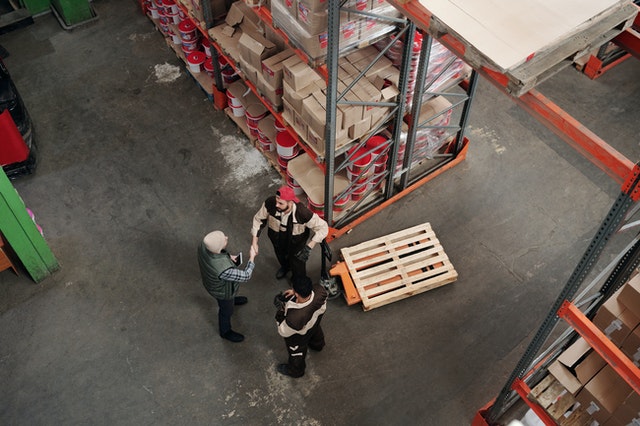
As in life, with a distributor, you’re going to expect good communication. This is the key to a good relationship. You want to know that they’re going to keep you up to date on the latest products, product trends, or any potential complications along the supply chain.
Staying in touch avoids potential issues that could cause you stress as well as wasted time and energy.
If, before you sign on with a distributor, they are difficult to get a hold of, if they never pick up their phone, then you can probably surmise that this is how they run their business. You need a distributor that answers your calls. Silent distributors are not the kind you want to partner with.
An Agile Partner
The market is a living beast. It’s going to change and that means your product needs are going to change as well. So you should expect that your distributor can keep up and handle those changes.
If they’re good, they can easily change with you. This covers everything from order size to product offerings and everything in between. You should expect flexibility from your distributor and they should adapt quickly to your needs.
If they are unable to adapt, you may end up with an overabundance of products or, which is worse, empty shelves and irate customers. A distributor that is incapable of adapting can cause breaks in your customer relationships. You want to avoid that at all costs.
A History Of Reliability
When you seek a distributor, do some research. Find out how the distributor has worked with other retailers in the area. Are they new to the business or have they been around for some time and weathered some storms? Get a good view of their reliability and how well they are trusted and perceived among other businesses.
They should be good to their word. If they say they will get the job done and layout clear hows and whys, then they should stick to that. The last thing you need is a distributor that suddenly changes the rules or drops the ball in the middle of a job. You should expect them to be a reliable force in your partnership.
Technology That Syncs Your Inventory & Orders In Real Time
Your distributor’s software should talk to yours. Before you sign, ask how their technology handles each of these four areas.
Direct Integration With Your Store & ERP
Ask how their systems connect to your ecommerce platform, your marketplaces, and your ERP. The answer you want is a direct integration through an API, not spreadsheets emailed back and forth at the end of the week.
Real-Time Inventory Sync
Real-time inventory sync is the big one. If you sell on Shopify, on Amazon, and through retail partners at the same time, every order pulls from the same stock. When counts update only once a day, you end up selling products you no longer have. That means canceled orders, refunds, and customers who don’t come back.
EDI For Big Box Retailers
If you plan to get into the big box stores, ask about EDI (electronic data interchange) too. Retailers like Walmart and Target send purchase orders through EDI and expect advance ship notices and invoices back the same way. A distributor that gets this wrong will cost you money, because retailers issue chargebacks for late or inaccurate shipping notices.
Visibility Into Orders & Stock
You should also expect visibility. You need to see order status, tracking numbers, and stock levels whenever you want them, without having to call and ask. A good distributor gives you a portal or dashboard for this. If they can’t show you where your products are right now, that tells you a lot about how they run their operation.
Price

This is an important point and one that’s probably at the forefront of your mind when thinking about a distributor. You certainly want a reasonable price however, you want to stay away from the cheapest of the cheap.
If a distributor is cutting costs on their pricing, they may be skimping in other areas as well. They could be cutting corners in transportation, reliability, or even salaries. If they are cutting salaries then they are not getting top-quality workers to handle your products.
Have an optimal price-point in mind when you sit down to negotiate. Factor that in with other qualities that you should expect from your distributor and then make your decision. If you decide to go ultra-cheap, you may end up getting just what you’re paying for. Remember a distributor is a business partner and a strong one can make a good business a great business.
Products
Find out what matters to your distributor when they take on new products. All distributors are not alike. Some may specialize and that specialization might not include products of your type. These specializations may include product range, consumer demographics, or even geographic area. Don’t try to sell your baby care product through a distributor that specializes in food and beverage distributions.
You should expect that your distributor understands and has experience with your type of products and can show proven success handling it in the market.
They Know Your Target Market
Knowing your target market before you approach a distributor is going to give you a better chance of succeeding. You should expect your distributor is going to be selling to your exact target market. Find out if they have been successful selling to that market in the past. Knowing this is going to ensure you get to market as quickly as possible.
You might want to consider finding out who distributes your competitor’s products, the ones that are selling a boatload of products. Finding a distributor that represents similar and successful products means they already have experience and expertise and they know how to succeed.
You should expect knowledge and experience. This ensures that they will be able to get your products to market fast. So, take your time and choose wisely when it comes to partnering with a distributor.
Find The Right Retail Distribution Company
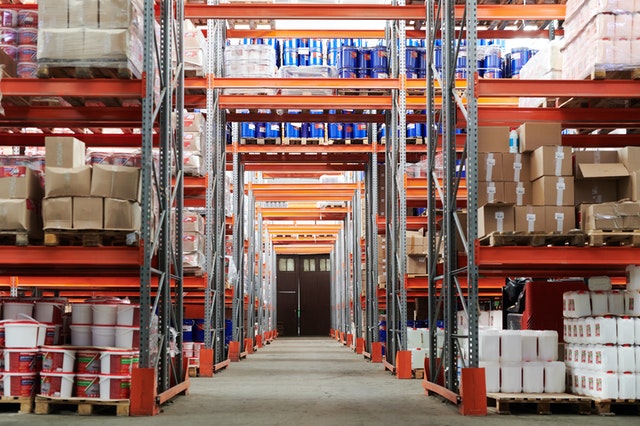
If your ecommerce business is suddenly growing, you’re going to want help with distribution, that’s a good thing. When it’s time to take your business out of the garage, it’s time to give some responsibility to a retail distribution company that knows what they’re doing. One that can get you not only on the retail shelves but into the big box stores as well. You should expect them to have experience with transportation and global logistics as well.
Remember, partnering with a distributor is a huge step forward for your business, but, you need to know what you can expect from that partnership. If you know your side and you’ve done all your work, then finding a distributor that gets you and your business and is going to provide what you expect from a good distributor is going to be easier. Take your time, do your homework, pick the right distributor and you’ll soon see your business rise and thrive.
Retail Distributor For Ecommerce Businesses FAQs
How Do I Choose The Right Retail Distributor For My Ecommerce Business?
Start with fit, then check performance. Look for a distributor that already sells to your target market and has experience with products like yours. Next, ask for proof of reliability, such as on-time shipping and order accuracy rates, and confirm their systems can sync inventory and orders with your store in real time. Compare pricing against what you get for it rather than picking the cheapest option. Finally, pay attention to how they communicate before you sign. A distributor that’s hard to reach during the sales process rarely gets easier afterward.
What Is The Difference Between A Distributor And A Wholesaler?
A distributor works closely with a brand, often under a contract that covers a specific territory or set of channels. They promote and sell that brand’s products to retailers and may also handle marketing and support. A wholesaler buys products in bulk from many manufacturers and resells them in smaller quantities to retailers, with no ties to any single brand. If you want a partner that actively grows your brand in retail, you want a distributor.
What Are The Main Types Of Distributors?
Distributors are usually grouped by how much access they have to your product line. An exclusive distributor holds the sole right to sell your products in a defined territory or channel. A selective distributor is one of a limited number of authorized partners that meet your criteria. Value-added distributors go beyond selling, offering services like kitting, custom packaging, or financing. The right type depends on how much control you want over where and how your products are sold.
What Is A MAP Policy And Why Does It Matter When Choosing A Distributor?
A minimum advertised price (MAP) policy sets the lowest price at which retailers can advertise your product. As the brand, you set it to protect your pricing and keep retailers from undercutting each other. When you choose a distributor, ask how they monitor and enforce your MAP across the retailers and online channels they sell into. A distributor that ignores price violations can start a race to the bottom that erodes your margins and your brand’s value.
What Performance Metrics Should I Ask A Distributor For?
Ask for their on-time shipping rate, order accuracy rate, and average order processing time. These three numbers show whether your orders will reach customers and retailers correctly and on schedule. If you sell to big box stores, also ask about their chargeback history, since retailers penalize suppliers for late, incomplete, or non-compliant shipments. Request references from current clients who can confirm the numbers. A distributor that won’t share performance data is telling you something.
Why Does Technology Integration Matter When Choosing A Distributor?
Integration keeps your inventory and orders accurate across every channel you sell on. When a distributor’s systems connect to your ecommerce platform and ERP through an API, stock levels update in real time, so you don’t sell products you no longer have. It also gives you order status and tracking without chasing anyone for updates. For retail accounts, EDI capability matters too, because major retailers exchange purchase orders, ship notices, and invoices through it.